
Structure your website content in a flexible and scalable way
Custom content types
Build content models that match your organization
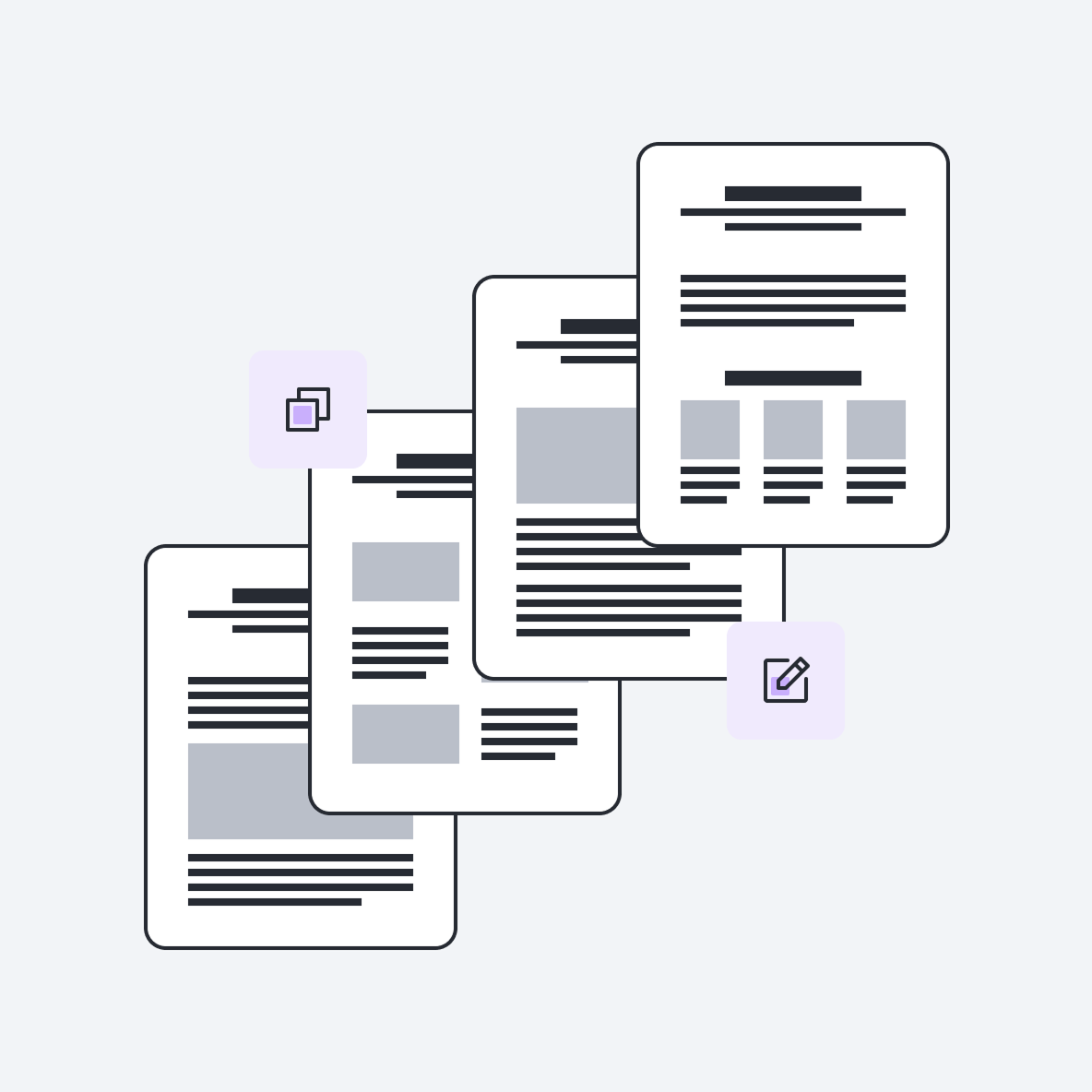
Modulo comes with four default content types for common needs, so you can get started right away. But Drupal really stands out with its flexible content tools, letting you build custom models instead of relying on fixed templates.
You can add any content type—blog posts, profiles, products, events—and define the exact fields you need. This control keeps your content display consistent, simplifies data management, and scales as your site grows.
Content organization and listings
Keep your content structured and easy to explore
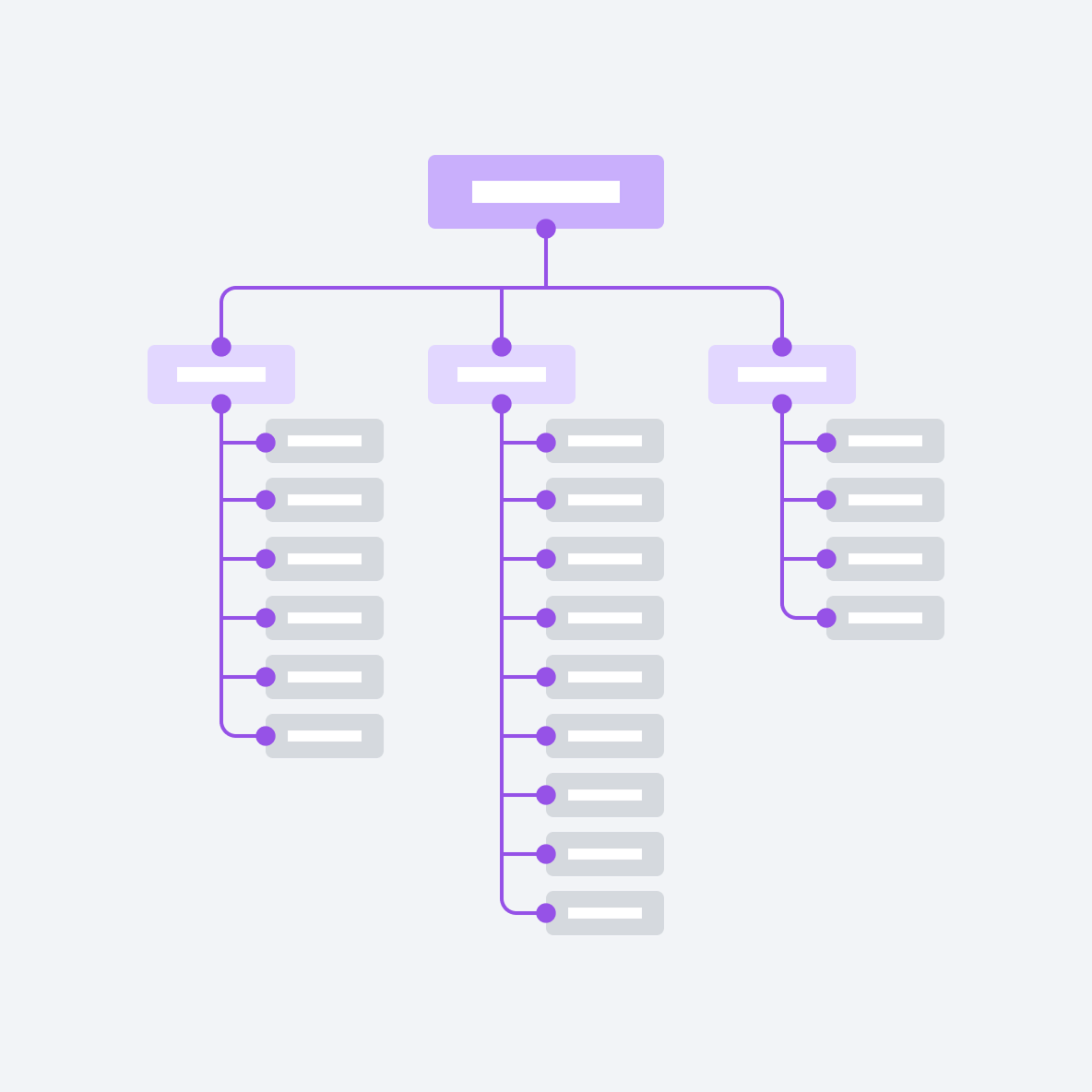
Modulo offers built‑in categories (taxonomy) to tag and organize your content from the start. You can quickly set up listings—like news feeds, project directories, or event calendars—using these categories and your default content types.
For more complex needs, we can add extra taxonomies or tweak Views settings to create custom filters, sorting, and layouts so your content displays exactly how you want.
Default content types
Explore the built-in content types that help you get started quickly
Structured content ready for reuse
Expose content to multiple platforms through APIs
Because Drupal stores content in a well-structured and semantic format, it's well-suited for reuse across different channels. Whether you're building a traditional website or a headless application, Drupal can expose content through standard APIs like JSON:API or GraphQL. This is ideal for organizations that want to maintain a single content source while delivering it to websites, mobile apps, digital signage, or third-party systems. Structured content ensures consistency and easier maintenance across all platforms.
Curious about the building blocks?
Explore how page layouts and content elements give you even more flexibility in designing dynamic, engaging pages.